
Buying
A first-time buyer's guide to buying a home in Toronto
By Rahul2 min read
Buying your first home is exciting, and it can also feel like a lot to learn at once. This guide walks through the main steps in the order you will meet them, so you always know what comes next.
Key takeaways
- Work out your budget and get a mortgage pre-approval before you start touring homes.
- Plan for closing costs on top of the price, including land transfer tax and legal fees.
- Decide what matters most to you before you search, so you can compare homes clearly.
- In Ontario, a real estate lawyer handles the legal side of closing.
Start with your budget
Before you look at a single listing, work out what you can comfortably afford. Look at your income, your savings, and your monthly debts, then speak with a mortgage professional about a pre-approval. A pre-approval tells you how much a lender is willing to lend and helps you search within a realistic price range.
Your down payment matters too. In Canada, the minimum depends on the price of the home, and a down payment under 20% means you will pay for mortgage default insurance. Trying a few different numbers in a calculator can help you see how the price, down payment, and interest rate change your monthly payment.
Plan for costs beyond the price
The price on the listing is only part of what you will spend. Most buyers also budget for:
- Land transfer tax. Ontario charges it, and homes in the City of Toronto also have a municipal land transfer tax.
- Legal fees and disbursements.
- A home inspection.
- Title insurance.
- Moving costs and setting up utilities.
Look into first-time buyer help
First-time buyers may qualify for land transfer tax rebates and for federal programs such as the First Home Savings Account and the Home Buyers' Plan. Rules and limits change, so check the current details with your lawyer, a financial professional, or the Government of Canada website before you rely on them.
Decide what matters most
Write down what you need and what you would like. Location, commute, and the type of home usually come first. A condo often costs less to maintain day to day but comes with monthly condo fees. A freehold home gives you more space and control, but repairs are your responsibility.
Having your priorities clear makes it much easier to compare homes and to say no to ones that do not fit.
Search, make an offer, and close
Once you start touring homes, your agent can help you understand what a fair price looks like by comparing recent sales of similar homes nearby. When you find the right one, your agent helps you prepare and negotiate your offer.
After your offer is accepted, you complete any conditions, such as financing and a home inspection. Your lawyer then finalizes the paperwork, funds are transferred on the closing date, and you receive the keys.
Common questions
- How much do I need to save to buy a home in Toronto?
- It depends on the price of the home. You need a down payment and money for closing costs. A mortgage professional can tell you the minimum down payment for the price you have in mind, and Rahul can help you estimate your closing costs.
- Do I need a lawyer to buy a home in Ontario?
- Yes. A real estate lawyer handles the legal side of closing, including the title search and transferring ownership.
Written for you by Rahul
Thinking about buying or selling in Toronto or the GTA? Let's talk.
Keep reading
Selling
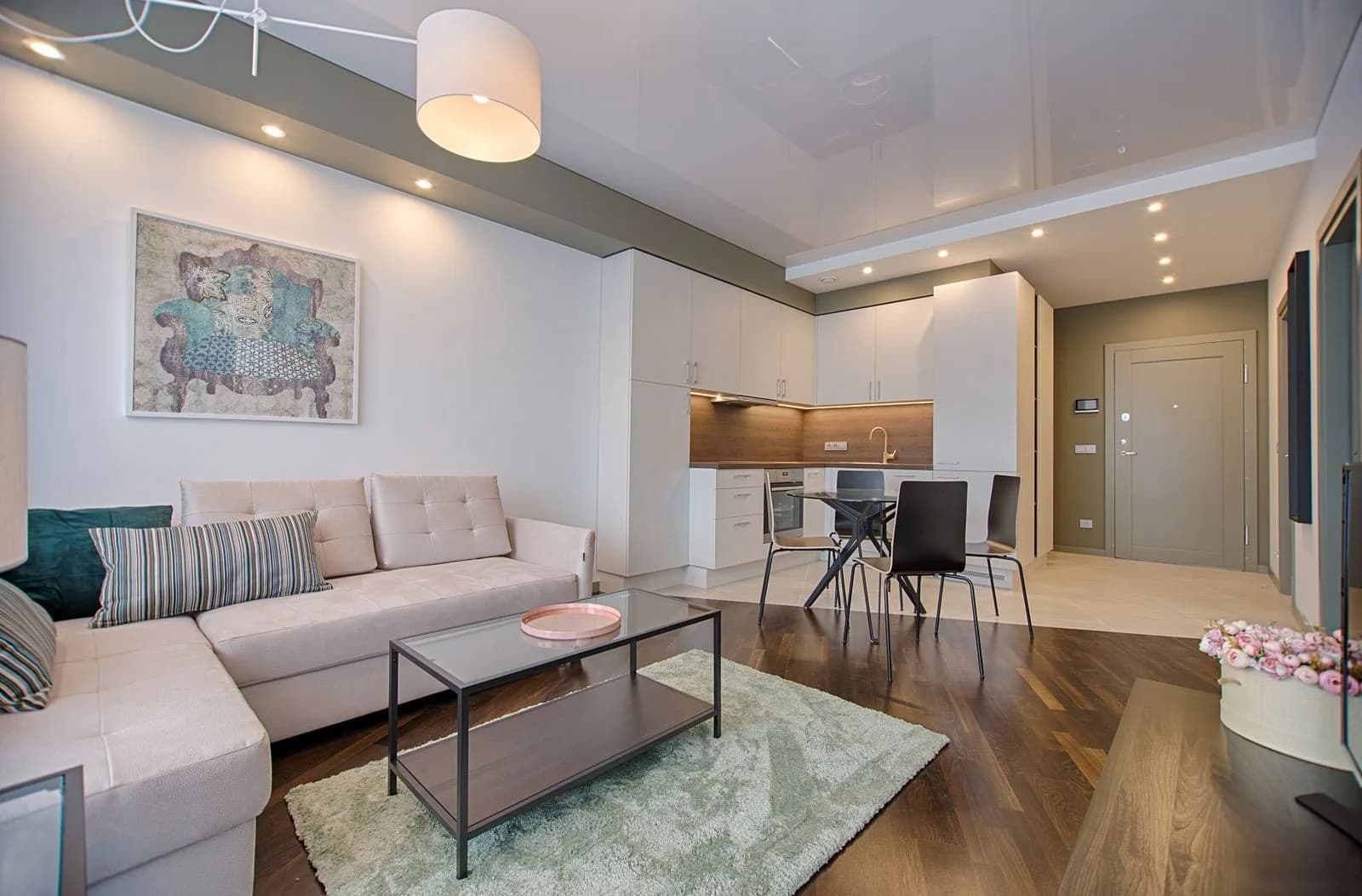
How to get your Toronto home ready to sell
Simple preparation steps that help your home show well to buyers.
October 5, 2026 · 1 min read
Read article
Neighbourhoods
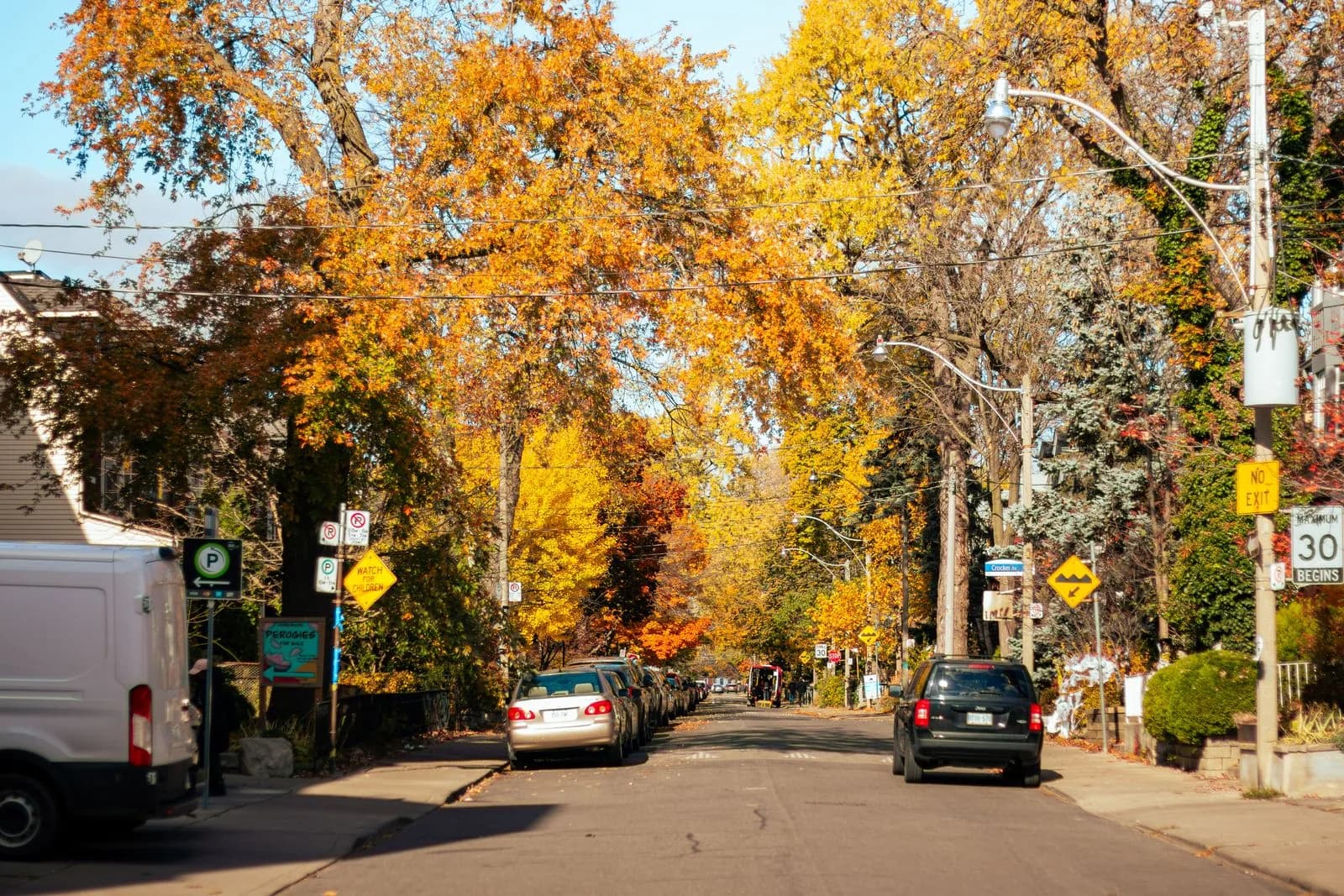
How to compare Toronto neighbourhoods before you buy
What to look at when you are choosing between areas of Toronto and the GTA.
October 5, 2026 · 2 min read
Read article